1-888-601-9980


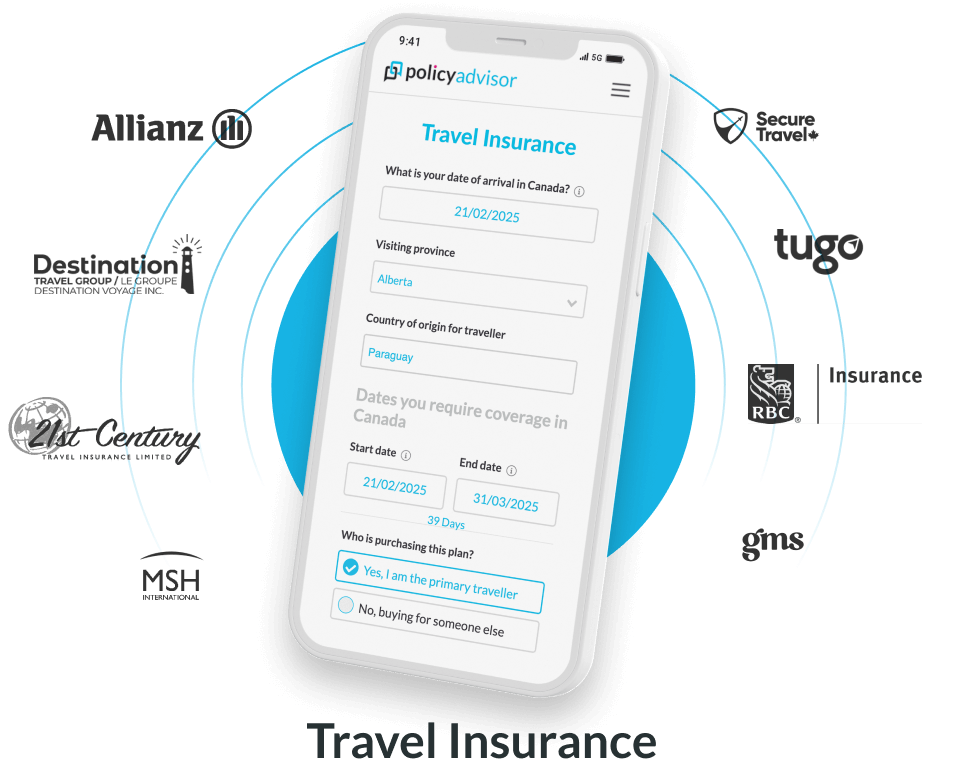
- Insurance for travelling within Canada protects against ambulance, evacuation, prescription drugs, private clinics, and other costs not covered by provincial health plans
- Reciprocal billing covers only hospital and physician services at home-province rates; it excludes ground/air ambulance, paramedics, outpatient drugs, and private facilities
- Ground ambulance fees vary widely by province, with non-residents often billed full costs outside reciprocal agreements
- Provincial plans do not reimburse private hospital fees, extended diagnostics, or medical repatriation, exposing travellers to substantial out-of-pocket expenses
Many Canadians mistakenly believe that provincial healthcare covers all medical services across provinces. However, each province decides what it insures, how much it pays, and what it excludes. The most common misconception is that a valid provincial health card equals complete protection anywhere in the country.
While interprovincial reciprocal billing agreements cover medically necessary hospital and physician services at each province’s rates, they do not guarantee full reimbursement of costs above those rates. They also do not include many of the services travellers rely on during emergencies.
Reciprocal billing covers only insured hospital and physician services; it excludes transportation, paramedic services, and outpatient prescription drugs. This is where most Canadians encounter unexpected bills.
Across Canada, the following are typically not covered when received outside your home province:
- Ground ambulance
- Air ambulance and medical evacuation
- Outpatient prescription drugs
- Paramedic care outside hospitals
- Private clinics and diagnostic centres
- Semi-private and private hospital rooms
These gaps were brought to light by a recent domestic travel case that prompted many Canadians to rethink the risks of travelling between provinces.

Call 1-888-601-9980 to speak to our licensed advisors right away, or book some time with them below.
The case that changed how travellers think: The $12,483 air ambulance bill in Alberta
Medical emergencies during domestic travel often expose gaps Canadians never think about. This case is a clear example of how reciprocal billing works and what it does not cover.
- The traveller from Oakville, Ontario experienced chest pains while driving through Saskatchewan and sought help after entering Alberta
- Tests at the Medicine Hat hospital confirmed he had a mild heart attack
- He required specialized cardiac care and was airlifted to Calgary. Hospital staff told him he was “covered”
- Weeks later he received a $12,483 invoice from Alberta Health Services for the air ambulance transport
- Alberta billed him directly because air ambulances are excluded from interprovincial reciprocal agreements. Ontario cannot pay that invoice under OHIP, so the patient becomes responsible
What surprised him and most travellers:
- He had a valid OHIP card
- He was travelling inside Canada
- He was told he was covered
- He was still billed more than $12,000
This happened because reciprocal billing covers insured hospital services only. Ambulance transport, especially air ambulance, is not included.
Why you need travel insurance for trips within Canada
Domestic trips may feel low risk, but the financial exposure from non insured medical services can be substantial. Travel insurance provides protection where provincial plans fall short and ensures that emergency care and transport are covered. It remains one of the most cost effective safeguards for anyone travelling within Canada.
- Repatriation coverage: Travel medical insurance covers emergency air transport and medical evacuation that provincial plans do not insure
- Coverage for non insured medical services: This includes prescription drugs, medical equipment, private duty nursing and emergency dental care
- Direct billing and 24-hour assistance: Travel insurers coordinate care and billing on your behalf. This reduces stress during emergencies and prevents delays in treatment
- High coverage limits: Most Canadian travel insurance providers offer emergency medical coverage up to $5 million, which is more than enough to cover medical transport and emergency treatment anywhere in the country
What does provincial health insurance cover when you travel within Canada
Before travelling within Canada, even for a short weekend trip, it’s important to understand how far your provincial health plan actually goes. While provinces have reciprocal billing agreements for essential care, these agreements do not guarantee full coverage. Many of the most expensive services Canadians face when travelling are not included.
| Category | What’s covered | What’s not covered |
| Hospital services | Emergency room care in public hospitals; diagnostic tests ordered in hospital; inpatient/outpatient physician treatment | Any care in private hospitals or private clinics; hospital user fees not recognized by your home province |
| Physician services | Medically necessary assessments and treatments by doctors in publicly funded settings | Visits to non-public or uninsured facilities; services billed above your home province’s rate |
| Ambulance & emergency transport | Not covered under reciprocal agreements | Ground ambulance, air ambulance, medical evacuation, interfacility transfers, repatriation costs |
| Prescription drugs | Drugs provided during a hospital stay | Any prescription filled outside a hospital; pharmacy purchases in another province |
| Medical devices & equipment | Take‑home medical devices/equipment are generally not covered across provinces; in‑hospital equipment used during insured care is covered | Crutches, braces, medical equipment, mobility aids, rentals, and supplies |
| Travel disruptions & non-medical costs | Not applicable | Trip interruption, non-medical transfers, hotel stays, meals, or transportation for family members |
Does OHIP or provincial health insurance cover ambulance services when you travel across provinces?
Ambulance coverage is one of the least understood parts of travelling within Canada. Hospital and physician services follow reciprocal agreements, but ambulance transport does not. Every province sets its own fees and rules, which means most out-of-province travellers are billed directly even in a true medical emergency.
Why ambulance coverage varies
Under the Canada Health Act, provinces must insure medically necessary hospital and physician services. Ambulance transport is not a required insured benefit.
As a result:
- Each province sets its own ambulance fees, policies and non-resident surcharges
- Reciprocal billing manuals across Canada explicitly exclude ambulance services
- Out-of-province travellers are billed by the province where the emergency happens, not their home plan
| Province | Ground ambulance fees | Non-resident rules | Air ambulance |
| Alberta | About $250 per transport | Non‑residents may be billed the full actual cost by the provider | Billed privately; often thousands depending on distance and medical team |
| British Columbia | Standard BC Ambulance fee for residents ($80) | Non-residents charged higher fixed rates | Often multiple thousands based on transport distance |
| Ontario | $240 for medically necessary transport for non-residents | Out-of-province patients pay full cost (not included in reciprocal billing). Many providers levy a $240 charge; some may bill full actual cost | Not provincially insured for visitors; billed directly |
| Saskatchewan | Frequently over $300 for residents | Non-residents charged actual EMS cost, which can be higher | Costs vary; not covered for non-residents |
| New Brunswick | $130 per ground transport | Non-residents billed actual cost | Billed at full operational cost if required |
You are always charged according to the rules of the province where the emergency occurs. Your home provincial plan does not override another province’s EMS fees. Air ambulance is where the largest financial risk exists. Across Canada, medical flights commonly range from $8,000 to more than $20,000, depending on distance, equipment and the medical team on board.
Should I buy travel insurance for prescription coverage?
Yes, prescription drugs dispensed outside a hospital in another province are usually not covered by your home provincial plan.
Key reasons prescription travel coverage matters:
- Provincial drug programs are residency-based, not portable
- Out-of-province pharmacies do not bill your home plan
- Emergency short-term prescriptions, antibiotics, pain medication, and chronic condition refills all become out-of-pocket
- Specialty drugs can cost thousands per dose
A Canada-only travel medical policy typically reimburses:
- Emergency outpatient prescriptions
- Short-term refills for chronic conditions
- Dispensing fees and emergency supply surcharges
This is one of the most frequently claimed benefits under domestic travel medical insurance.
How to get reimbursement for private hospital fees while in another province?
In most cases, you cannot obtain provincial reimbursement for private hospital or clinic fees, even if care was medically necessary.
What happens if you seek treatment at a private hospital in another province:
- Private facility bills you directly
- Your provincial plan declines the claim
- You remain personally responsible unless you have travel insurance
Why reimbursement is usually denied:
- Private hospitals and surgical centres operate outside the public insurance system
- Interprovincial agreements only apply to publicly funded hospitals
- Even emergency admission to a private facility does not force provincial recovery
If you do have travel medical insurance, reimbursement typically works as follows:
- Insurer pays the private facility directly (where possible), or
- You submit invoices and are reimbursed based on policy limits and medical necessity
Without travel insurance, private hospital charges remain fully uninsured regardless of medical urgency.
Which uninsured items are most costly between provinces?
The highest-cost uninsured expenses during interprovincial travel are almost always related to medical transportation and private delivery of care, not routine doctor visits. Under public interprovincial agreements, only basic physician and hospital services at public rates are protected.
The most financially severe gaps typically include:
- Air ambulance and medical evacuation (medevac): These are the single largest risk. Interprovincial flights regularly cost tens of thousands of dollars, especially from remote or northern regions
- Ground ambulance transfers: Even short inter-facility or emergency transfers can cost hundreds to several thousand dollars when taken outside your home province
- Private hospital and surgical clinic fees: If public beds are unavailable or a private facility is used, daily admission charges and procedure fees become fully payable by the patient
- Extended diagnostics at private facilities: MRIs, CT scans, and urgent imaging performed outside public hospitals often generate four-figure bills
- Medical repatriation home: If you are cleared for discharge but too ill to travel independently, the cost of return transportation is never provincially insured
These categories account for the vast majority of six-figure interprovincial medical claims.
How to make sure you’re protected during your travel within Canada?
A few practical steps can drastically reduce the chance of facing unexpected medical bills while travelling. Reviewing your coverage, choosing the right travel insurance, and preparing for potential evacuation keep you protected. Here’s how you can safeguard yourself from a surprise ambulance bill when travelling across Canada:
- Always read what your travel health plan covers: When comparing plans, make sure the policy explicitly covers air and ground ambulance. Ask for details: Are there coverage limits? Do you need pre-approval?
- Use travel-insurance even for “domestic” trips: There are insurance products designed specifically for trips within Canada (sometimes called emergency medical travel insurance within Canada) that cost relatively little but offer real protection. Our insurance experts recommend these as being very cost-effective
- Carry your health card and insurance contact information: If you ever need medical transport, having your provincial health card and your insurer’s 24/7 helpline can make a big difference, for both billing and care coordination
- Plan for evacuation: In remote or rural areas, air ambulance may be more likely. If you’re travelling in regions with limited hospitals, make sure your policy covers medical evacuation (medevac) back to a primary facility or your home province
- Ask for a breakdown of EMS costs: If you do receive a bill, you have the right to ask the health authority or EMS provider for full itemized costs. This will also help if you’re filing a claim or appealing anything
How PolicyAdvisor helps you choose the right travel insurance within Canada
The Alberta air ambulance case shows that a health card alone does not guarantee full protection once you leave your home province. Travel insurance fills the gaps for air ambulance, emergency dental, prescription drugs and other non-insured services.
At PolicyAdvisor, we help travellers compare the best emergency medical travel insurance across Canada. Our advisors identify which policies have strong emergency medical features so you can travel without the risk of unforeseen expenses.
People who benefit most from this coverage include frequent interprovincial travellers, people working in remote areas, students living in another province, snowbirds travelling outside Canada, and anyone with ongoing or chronic health conditions.
Schedule a call with an expert advisor, share your destination province, travel dates and any medical details, and receive a customized plan that fits your needs.
Frequently asked questions
Do I need travel insurance to visit another province in Canada?
Yes. Your provincial health plan does not cover all services in other provinces, especially ambulance and evacuation.
Is an ambulance free in Canada if I have a health card?
No. Ambulance services are not required to insure benefits. Many provinces charge user fees or full cost to non-residents.
Does OHIP cover ambulances in other provinces?
Generally, OHIP does not insure air or road ambulances outside Ontario except for very limited inter-facility transfers.
Do air ambulances and medevac get covered across provinces?
No, air ambulance and medevac services are generally not covered under interprovincial agreements. Some provinces provide limited domestic coordination for transfers between public hospitals, but coverage is inconsistent and never guaranteed for emergency retrieval, private aircraft, or long-distance repatriation.
Typical patient exposure includes:
- Helicopter evacuation from rural areas
- Fixed-wing air ambulance between provinces
- Medical escorts during transport
These services are treated as uninsured transportation, not insured healthcare. This is why travel medical policies place air ambulances as a core benefit, often with limits between $100,000 and $500,000.
Ambulance services are not insured across provinces, and travellers can face substantial charges for ground or air transport when seeking care outside their home province. Provincial billing rules, fee structures, and coverage gaps vary widely, creating unexpected financial exposure even for fully insured Canadians. Insurance for travelling within Canada helps close these gaps by covering ambulance costs, emergency medical treatment, and other expenses not protected under provincial health plans.